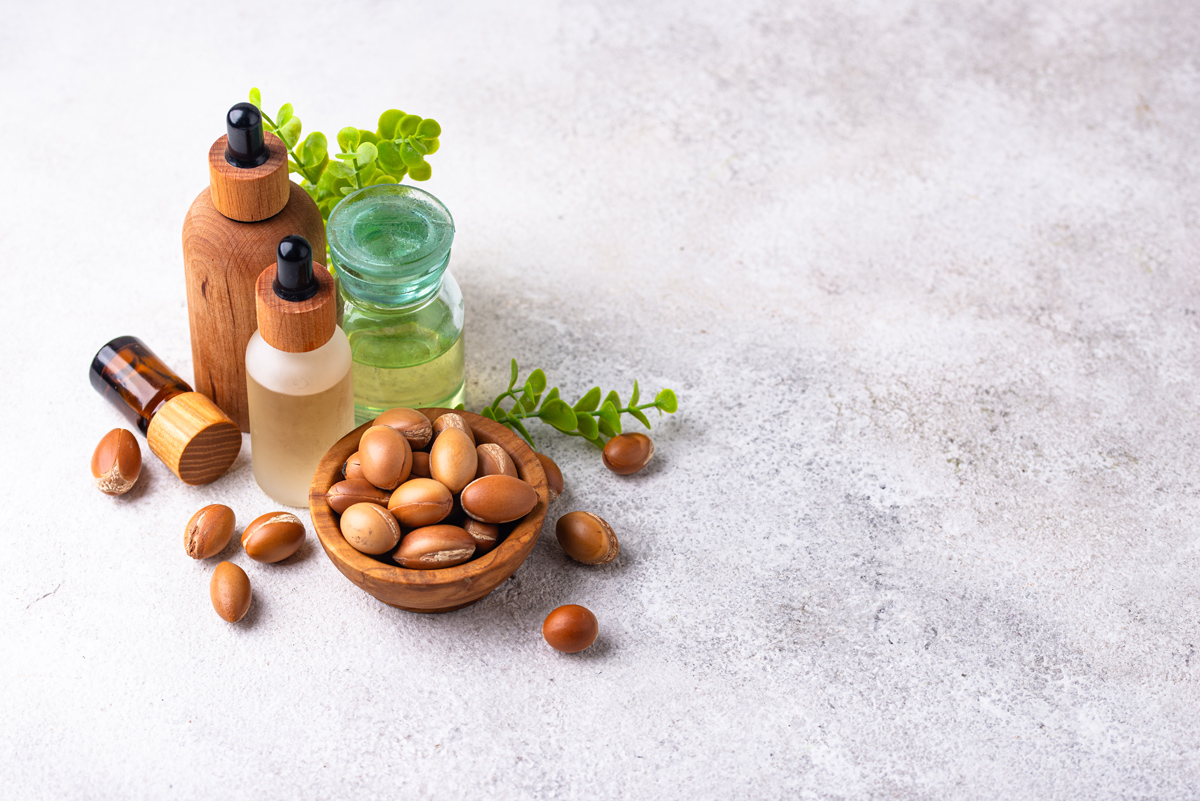
If there is one ritual of disarming simplicity and remarkable effectiveness, it's warming a drop of liquid gold in the palm of your hand and gently massaging it into skin worn down by winter or dried out by the sun. In Morocco, this gesture is nothing new. It has been passed down through generations, guided by an intimate knowledge of the secrets held by the land and its trees. That liquid gold is argan oil.
Today, prized by laboratories around the world and featured in the most demanding beauty rituals, this exceptional plant oil retains a truly distinctive aura. But where does it really come from? Why does the argan tree stubbornly refuse to thrive anywhere but southern Morocco? And above all, how can you tell a pure, precious elixir apart from a diluted imitation?
Let's take a journey into the heart of the Arganeraie Biosphere Reserve to discover one of the most beautiful gifts nature has ever given us.
What Is Argan Oil ?
To understand the worldwide enthusiasm surrounding argan oil, it helps to first look at its remarkably rich composition. Extracted from the kernels found inside the nuts of the argan tree (Argania spinosa), this plant oil stands out for a synergistic blend of active compounds that few other fats can claim.
It is made up of more than 80% unsaturated fatty acids, with a majority of oleic acid (omega-9) — wonderfully softening and nourishing — along with a generous amount of linoleic acid (omega-6). The latter is considered "essential" because the human body cannot produce it on its own; it plays a fundamental role in preserving the skin barrier and limiting water loss from the epidermis.
But the real magic of Moroccan argan lies in its unsaponifiable fraction. It's packed with vitamin E (notably in the form of alpha-tocopherol), a powerful natural antioxidant that fights the free radicals responsible for premature cell aging.
Add to that unique sterols (schottenol and spinasterol), extremely rare in the plant world, and you get a complete restorative treatment, capable of nourishing deeply without ever smothering the skin.
Good to know
Cosmetic-grade argan oil is extracted by cold-pressing raw, unroasted kernels. This gentle process preserves the full range of vitamins and heat-sensitive fatty acids.
Why Does the Argan Tree Only Grow in Morocco?
The argan tree is a stubborn one. This desert almond tree, a relic of the Tertiary era, almost categorically refuses to be domesticated outside its native cradle. Scientists and botanists have tried planting it in California, Israel and southern Europe. While the tree sometimes survives, it rarely produces usable fruit and often withers quickly.
The explanation lies in an extremely precise microclimatic balance. The Moroccan argan forest spans more than 800,000 hectares in the Souss region, bordered by the Atlantic Ocean, the High Atlas and the Anti-Atlas mountains. The tree needs this very particular environment for several reasons :
- Ocean humidity : Morning fog rolling in from the Atlantic supplies the water it needs during periods of extreme drought.
- Contrasting temperatures : It withstands heat above 50°C while also drawing on the coolness of the nearby mountains.
- A remarkable root system : Its roots can reach up to 30 metres underground in search of water and minerals where no other plant could survive.
By helping hold back desertification, the argan tree plays a major ecological role. In 1998, UNESCO recognized this invaluable contribution by naming the argan forest a World Biosphere Reserve. To speak of Moroccan argan oil, then, is to speak of a product intrinsically tied to its terroir — impossible to replicate anywhere else.
The History of Argan Oil
The story of this ancient tree is deeply intertwined with that of the Berber (Amazigh) people of southern Morocco. As early as the 10th century, Arab travellers and physicians such as Ibn Al-Baitar were already describing, in their manuscripts, the medicinal and cosmetic virtues of an oil that women in the region made at home.
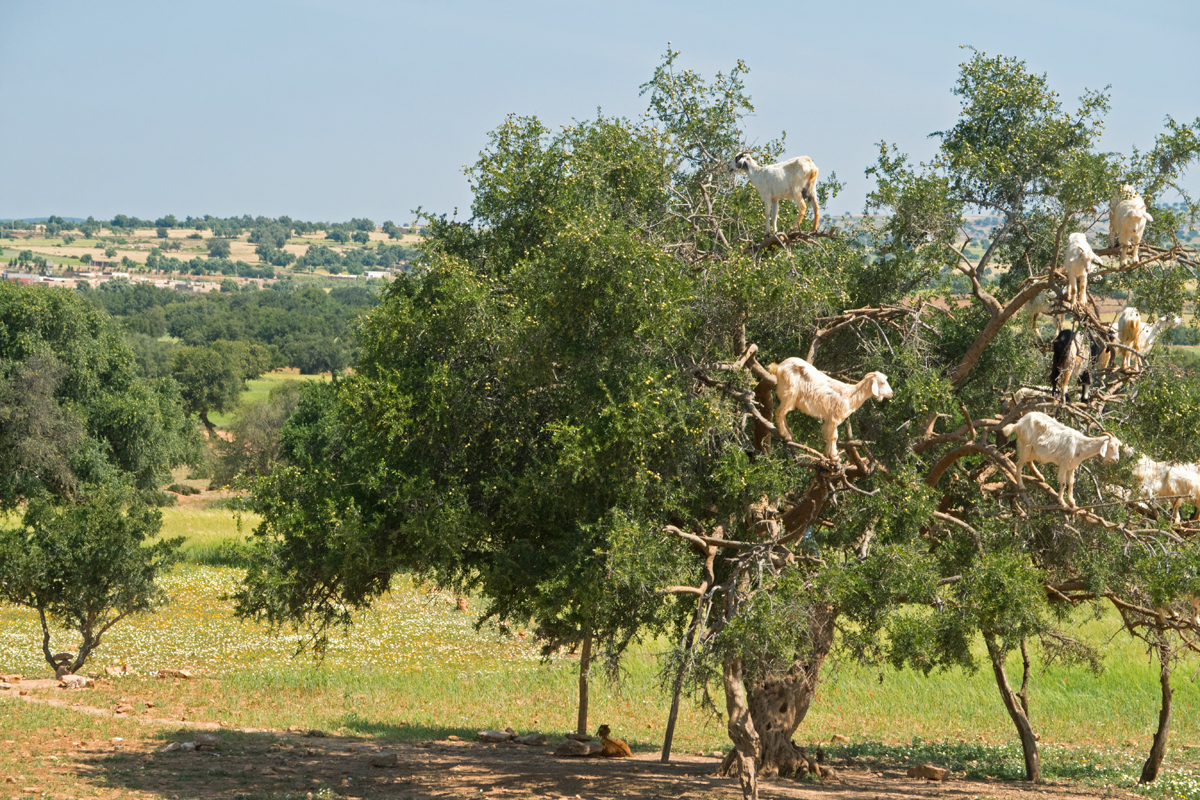
For centuries, argan was the backbone of rural life in the Souss region. The tree provided everything: its wood served as fuel and building material, its leaves and fruit pulp fed herds of goats (famous for their ability to climb its branches), and the oil extracted from its kernels was used for both cooking and skin and hair care.
Traditionally, making the oil was exclusively women's work. Passed down from mother to daughter, the method demanded endless patience and considerable physical effort — it could take several days of hand labour to produce a single litre of oil.
In the early 2000s, growing awareness of the environmental and social value of the argan tree led to the creation of the first women's cooperatives. This shift transformed the industry: it helped preserve argan forests, improved living conditions for rural women by giving them a stable income, and introduced mechanical presses that ensured the sanitary quality needed for export.
How Is Argan Oil Made ?
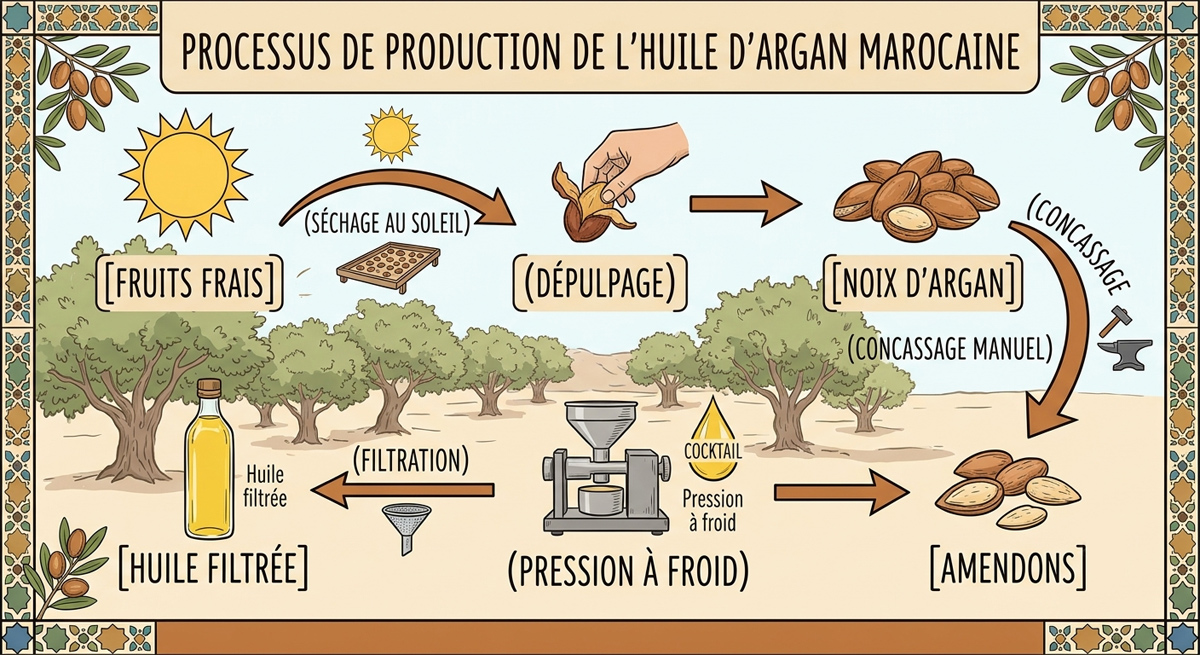
Producing a single litre of high-quality, pure argan oil is a meticulous process where every step matters. It takes roughly 30 to 40 kilograms of fresh fruit — the average yield of an entire tree — to produce just one litre of cosmetic oil.
Harvesting the Fruit
Contrary to what one might think, the fruit isn't picked directly from the branch. Since the argan tree is lined with sharp thorns, the traditional method is to wait for the fruit to ripen and fall naturally to the ground during the summer. It's then gathered by hand by the women of the cooperatives.
Drying
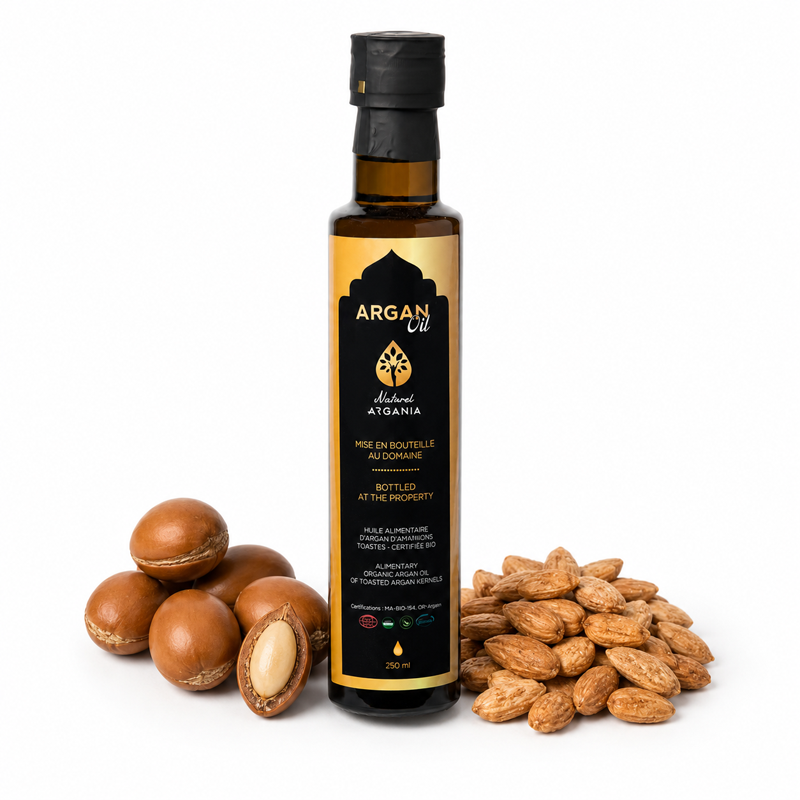
Once collected, the argan fruit — which resembles small, dried yellow-brown plums — is spread out in the sun on large trays or on rooftops. This natural drying process allows the outer pulp to shrink, making the next step easier.
Le concassage des noix
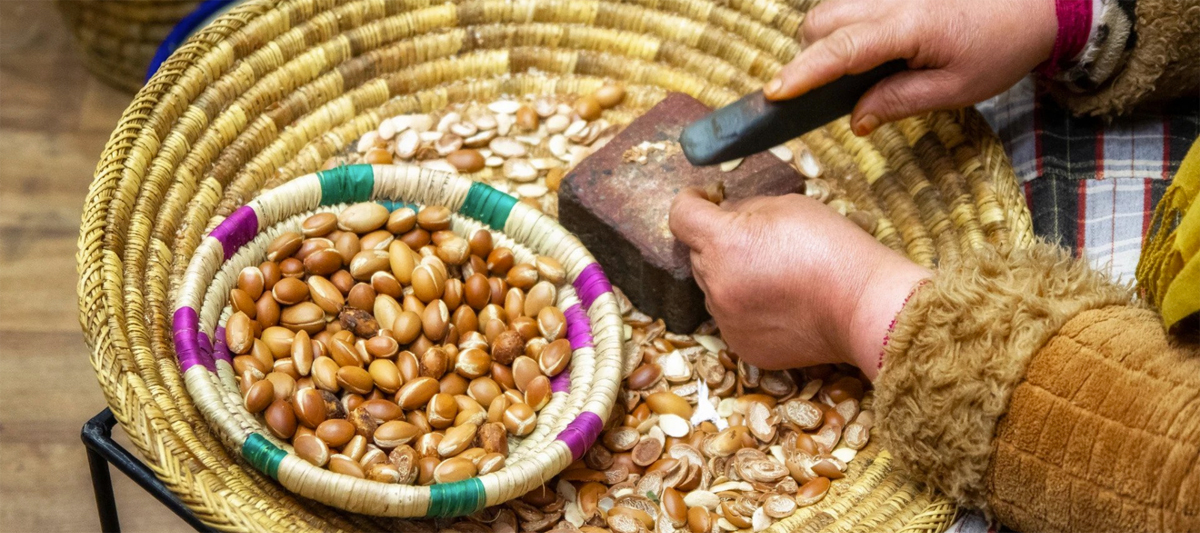
C’est le cœur du savoir-faire traditionnel. Sous la pulpe séchée se trouve une noix extrêmement dure, contenant de un à trois amendons (les graines). Les femmes concassent ces noix une à une entre deux pierres plates. Le geste doit être d’une précision chirurgicale : frapper trop fort écraserait l’amendon précieux à l’intérieur, ne pas frapper assez fort ne briserait pas la coque.
Extraction
For cosmetic-use oil, the raw (unroasted) kernels are fed into a mechanical screw press. This cold-pressing process extracts the oil drop by drop without exceeding 40°C, fully preserving the fatty acids, vitamin E and antioxidants. (Note: for culinary oil, the kernels are first roasted over a wood fire.)
Filtration
Freshly pressed oil still contains fine particles of pulp and kernel. It's left to settle naturally for a few days, then passed through organic paper or cotton filters. The result is a perfectly clear, golden-yellow oil, ready to be bottled.
The Different Types of Argan Oil
Not all argan oils are alike, and they aren't all used the same way. It's essential to understand the difference between cosmetic and culinary versions so you know exactly what you're getting.
Cosmetic Oil
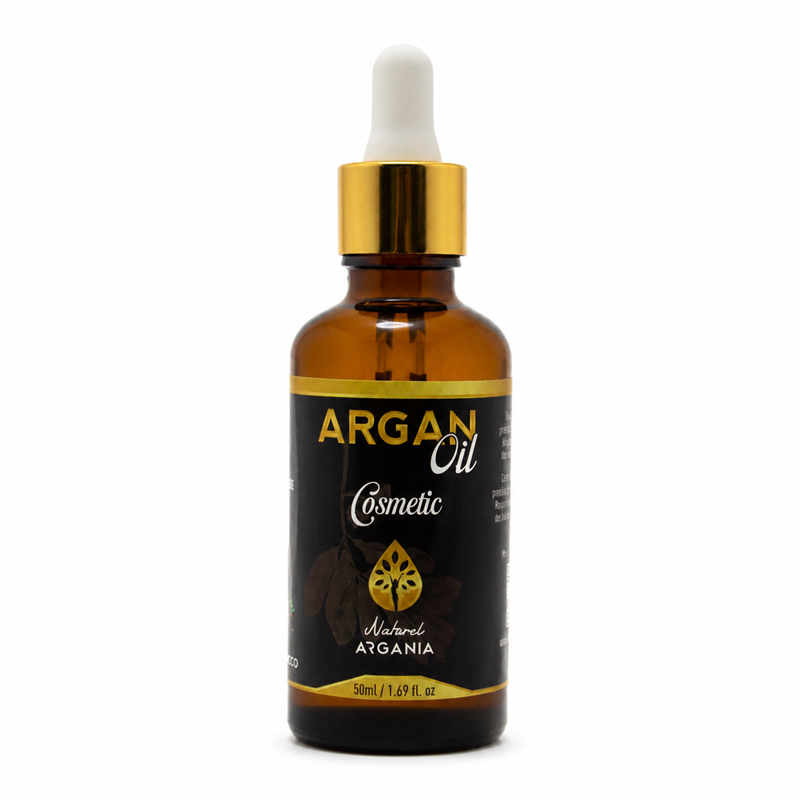
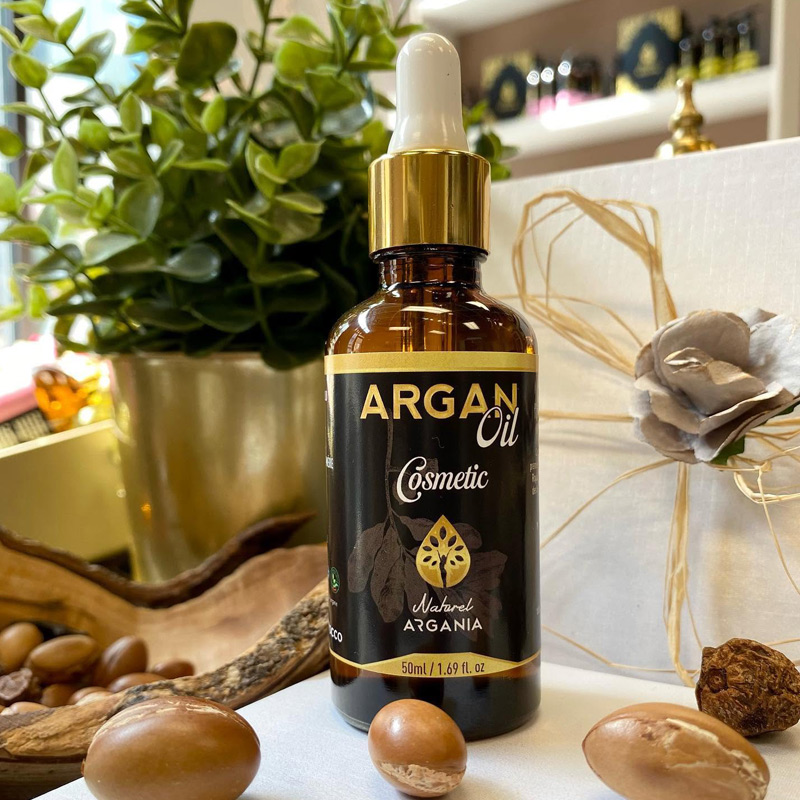
Cosmetic argan oil is obtained exclusively by cold-pressing fresh, unroasted kernels. Its colour is a bright, fluid golden yellow. Its scent is very subtle and slightly vegetal, fading just minutes after being applied to the skin. This is the type to choose for your everyday face, body and hair care.
Culinary Oil
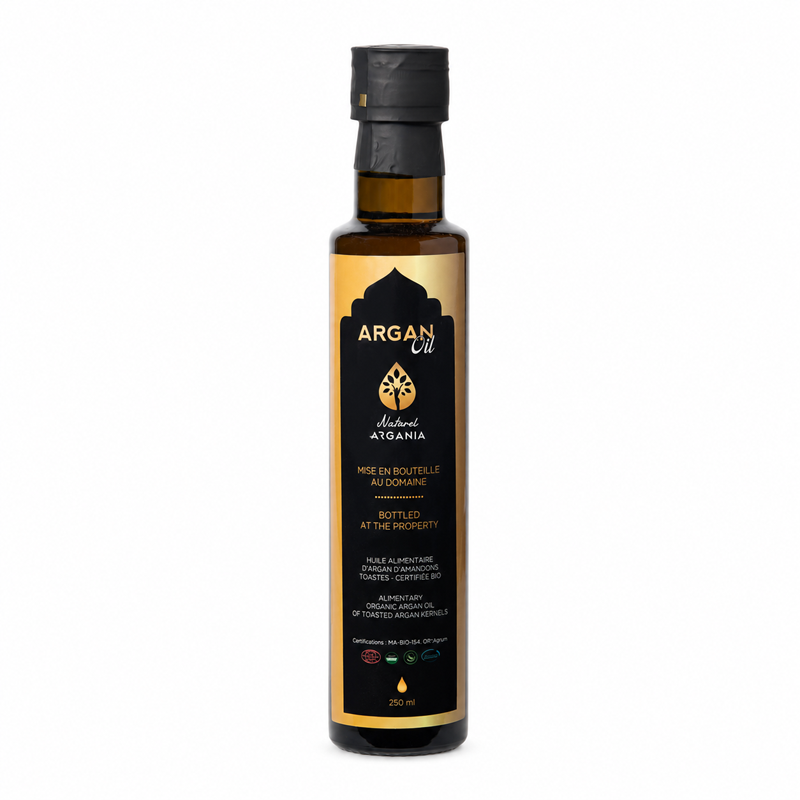
When the kernels are lightly toasted in a pan or oven before pressing, the oil takes on a deeper amber tone and develops a rich, pronounced aroma of hazelnut and toasted almond. In cooking, culinary argan oil is a nutritional treasure (rich in omega-9 and sterols), perfect for finishing a warm dish, dressing a salad, or making the well-known traditional Amlou (a Moroccan spread made with argan oil, honey and almonds).
Important : Never apply culinary argan oil to your face! Roasting changes its fatty acid composition, and its strong scent isn't suited for cosmetic use.
Organic Argan Oil
The "Organic Argan Oil" label guarantees the product comes from a controlled supply chain, free from chemical extraction solvents (such as hexane, sometimes used in low-cost industrial processes) and free from any additives, artificial fragrance or synthetic preservatives. It certifies strict care of the product, from the soil all the way to your bottle.
The Benefits of Argan Oil
Argan oil is a friend to nearly every skin type, contrary to the common belief that oils are only for very dry skin.
For the Face
Argan oil is a friend to nearly every skin type, contrary to the common belief that oils are only for very dry skin.
- Natural anti-aging effect : Thanks to its high concentration of vitamin E and sterols, it neutralizes the free radicals responsible for skin sagging and helps smooth out fine dehydration lines.
- Helps maintain hydration : By reinforcing the skin's hydrolipidic film, it helps limit water loss at the cellular level.
- Helps balance sebum production : With a comedogenic rating of 0 (it won't clog pores), it can actually help rebalance natural sebum production when applied to combination or oily skin.
For Hair
Between heat styling, colouring and pollution, our hair quickly loses its natural keratin. Argan oil acts as a true emergency balm.
- Care for dry ends : A few drops warmed between the palms and worked through the lengths help smooth the hair fibre and prevent split ends.
- Nourishing hair oil treatment : Applied as a mask over the whole head before shampooing, it restores shine, softness and strength to dull or brittle hair.
- Helps soothe the scalp : Massaged in gently, it helps relieve itchiness and reduce dry flaking.
For the Body
Applied to skin that's still slightly damp right after a shower, argan oil absorbs quickly without leaving a greasy film behind. It's ideal for:
- Helping prevent stretch marks by improving skin elasticity (particularly recommended during pregnancy or times of weight change).
- Softening severely dry areas such as elbows, knees and heels.
- Helping soothe minor irritation, redness and the tight, uncomfortable feeling caused by cold or sun exposure.
For Nails
Brittle, peeling or fragile nails will especially benefit from argan oil's strengthening properties. A weekly treatment — soaking your fingertips in a mix of equal parts argan oil and lemon juice — helps restore strength to the nail plate and softens cuticles.
For the Lips
During the winter months, the ultra-thin skin on our lips tends to chap. A tiny drop of argan oil applied with a fingertip acts as a wonderfully gentle repairing balm, with no bitter aftertaste.
How to Recognize Genuine Argan Oil
The worldwide success of Moroccan argan has unfortunately led to a flood of counterfeit and low-quality products on the market. To make sure you're buying a pure, active oil, here are the expert criteria to check every time :
- The ingredient list (INCI) : There should be one, single name on the label: Argania Spinosa Kernel Oil. If you see Paraffinum Liquidum, silicones or "Parfum" listed, you're looking at a diluted or synthetic product. Argania Spinosa Kernel Oil. Si vous voyez mentionnés des Paraffinum Liquidum, des silicones ou des Parfum, vous êtes en présence d’un soin coupé ou synthétique.
- The scent : Pure cosmetic argan oil shouldn't have a strong roasted smell (a sign of culinary oil or overheated kernels), but it shouldn't be completely odourless either. A total absence of scent often points to intense industrial refining at high heat, which destroys many of the oil's active compounds. It should have a very light, soft, natural fragrance.
- Colour and texture : Cosmetic oil should have a beautiful golden-yellow tone. It should feel fluid to the touch. If it feels heavy, sticky, or takes hours to absorb, it's likely blended with a cheaper oil.
- The bottle : Light is the sworn enemy of pure plant oils. Steer clear of clear plastic bottles! Quality oil always comes in a dark or amber glass bottle to protect its antioxidant molecules from UV rays.
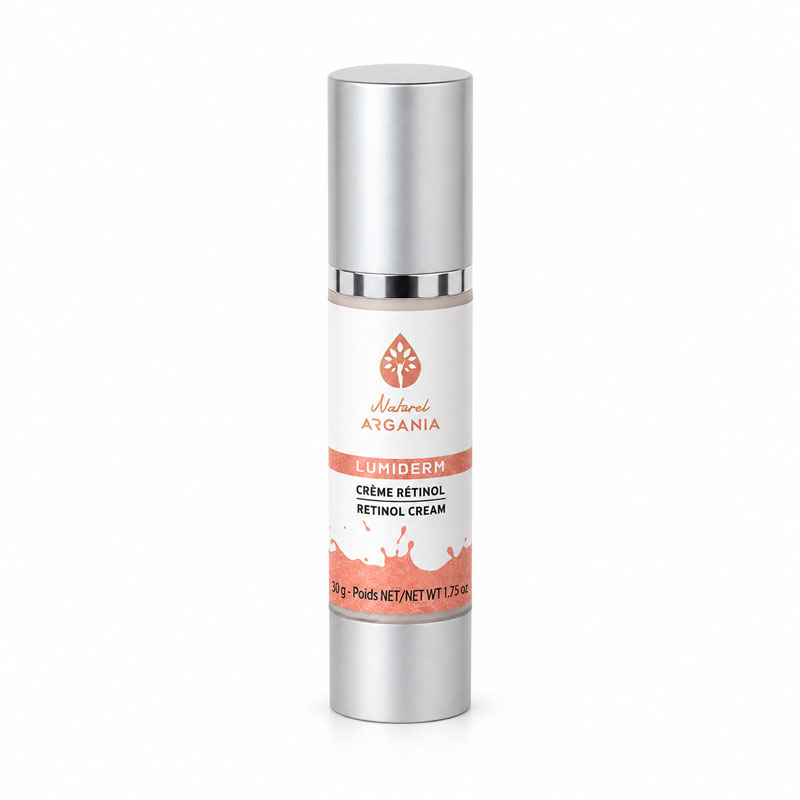
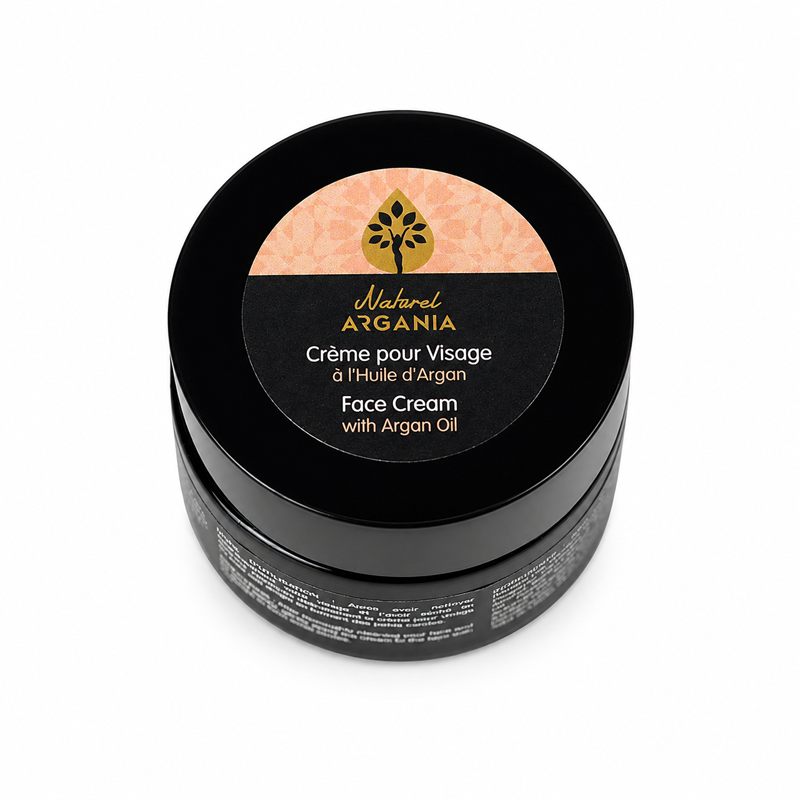
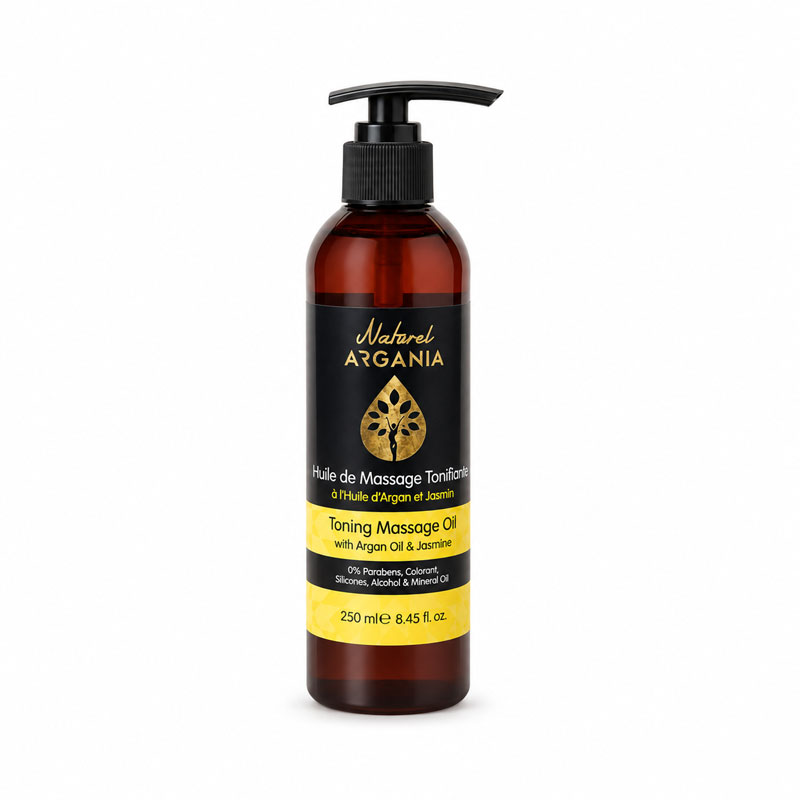
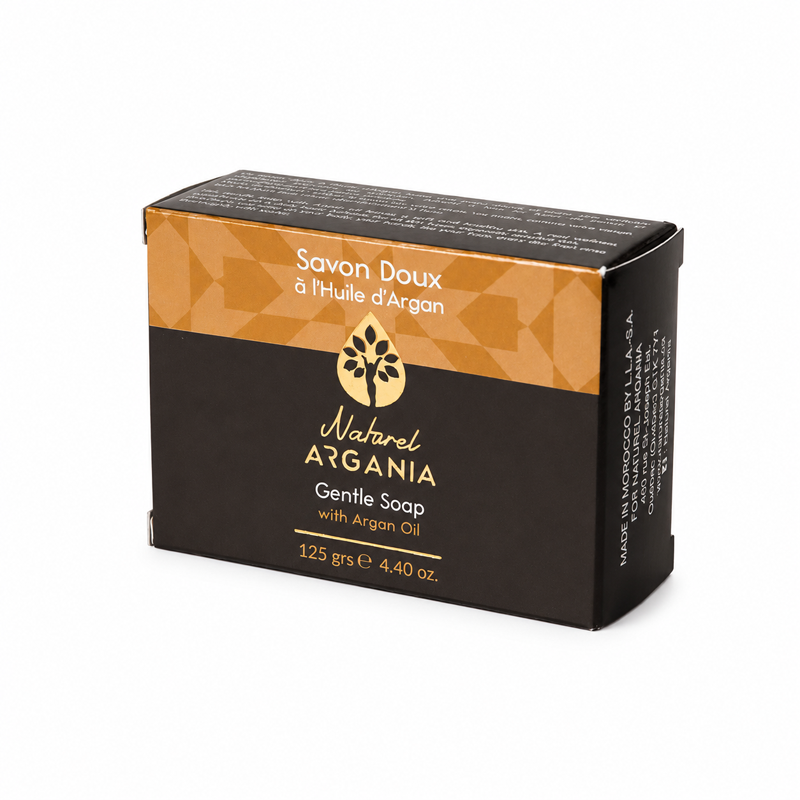
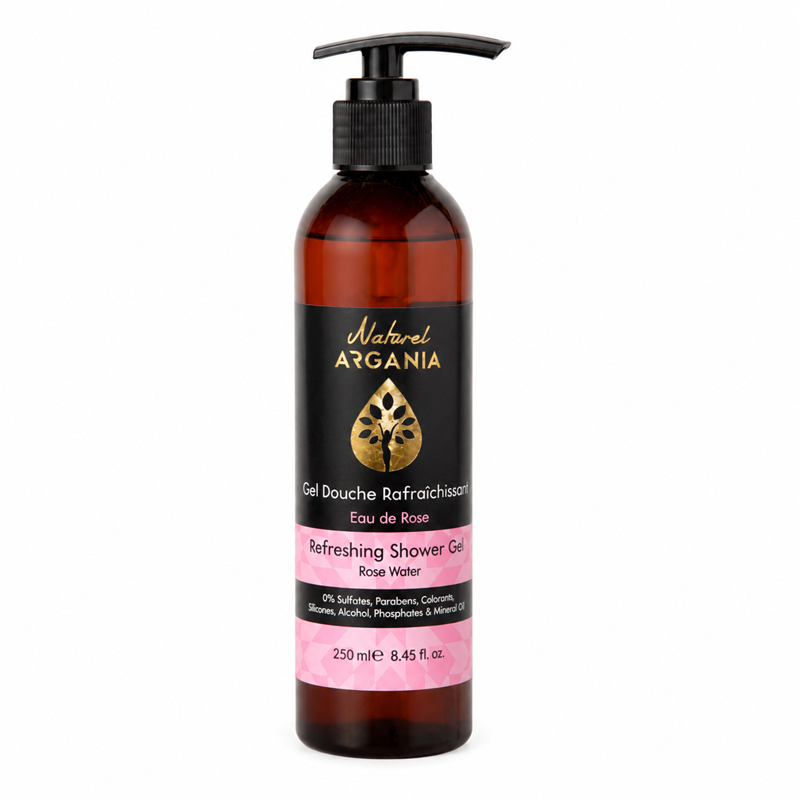
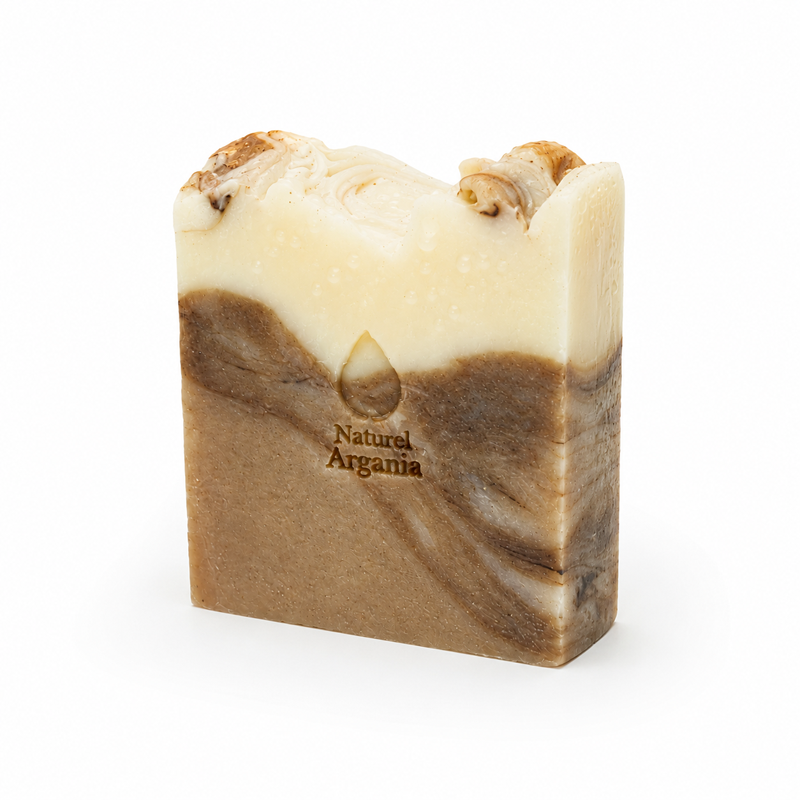
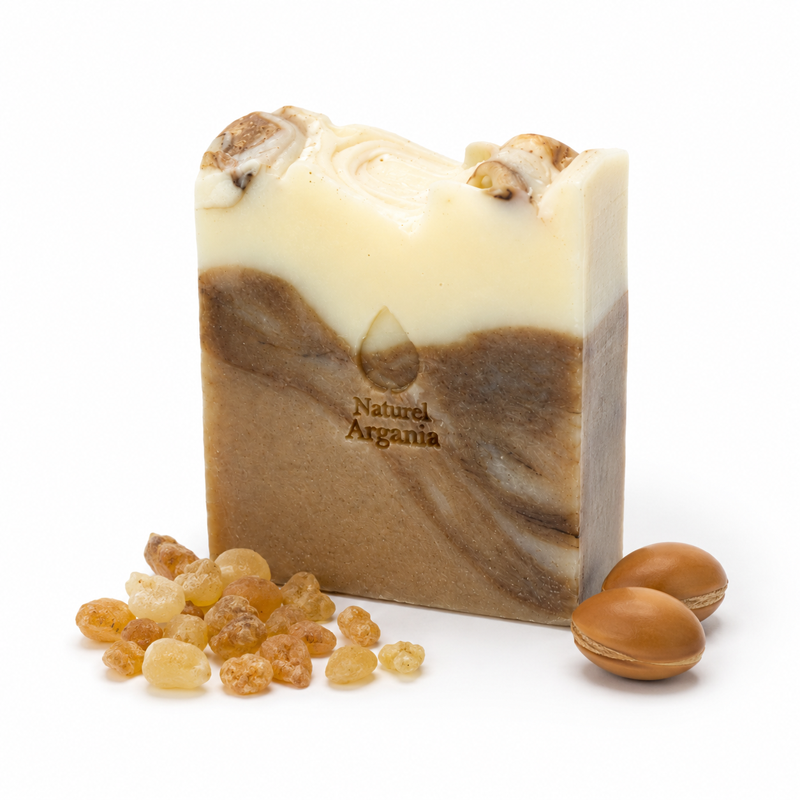
Discover Naturel Argania Skincare
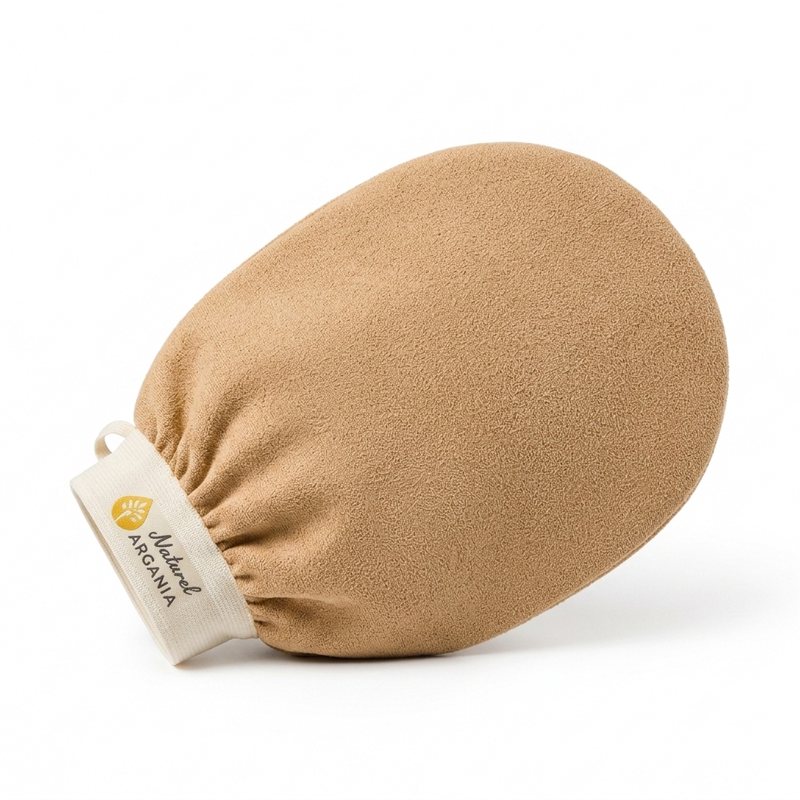
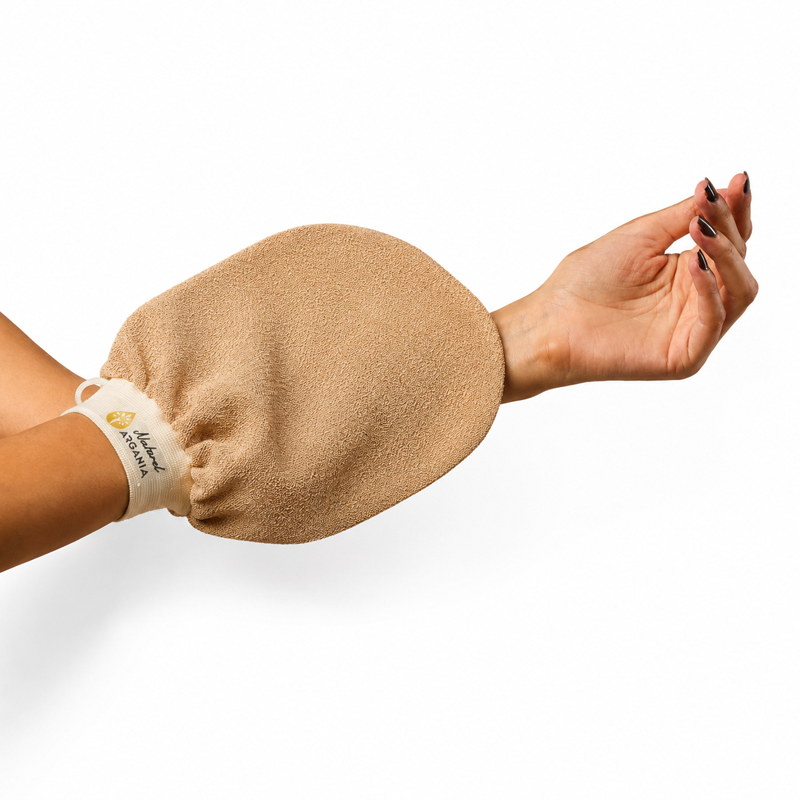
To continue this journey into Moroccan tradition and give your skin the full potential of this legendary ingredient, explore our dedicated collection of exceptional cosmetics.
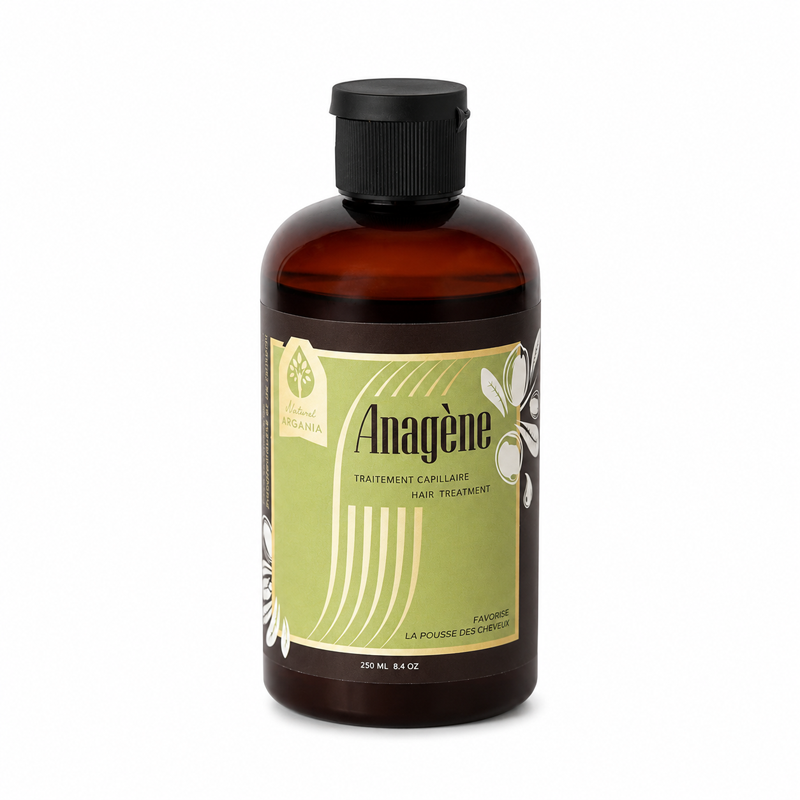
Que vous cherchiez un flacon d’ Huile d’Argan pure et certifiée pour vos rituels personnalisés, une routine ciblée au sein de notre gamme de Skincare, un baume réconfortant parmi nos Body Care, ou une cure nourrissante dans nos Haircare, chaque formule est pensée pour respecter la nature de votre peau tout en valorisant le travail artisanal de notre terroir. Et pour poursuivre votre lecture et faire le plein d’astuces naturelles, rendez-vous sur notre Blog.
Conclusion : A Living Heritage from Southern Morocco
Moroccan argan oil continues to captivate people across the globe because it embodies a rare alliance between the simplicity of nature and the effectiveness of cosmetic science. Born from an ancient tree capable of withstanding the harshest conditions, and shaped by the patient hands of the women of the Souss region, it offers skin an unmatched moment of softness and vitality.
Adding this liquid gold to your daily routine means embracing an authentic, understated and deeply human beauty ritual — a soothing return to nature's roots, where every drop tells the story of a generous, protected land.